
Home » Medical Weight Loss » Medical Center Weight Loss Clinic » Medical Weight Loss Doctors
Medical weight loss doctors play a critical role in helping patients address weight-related concerns within a structured healthcare setting. Rather than offering generic advice or short-term solutions, these physicians focus on clinical evaluation, patient education, and ongoing medical oversight.

At IntegraMed Wellness, consultations are structured around clinical evaluation and informed discussion, with the goal of helping patients understand their health options rather than focusing on the delivery of specific interventions.
Located in Boynton Beach, IntegraMed Wellness offers physician-led consultations rooted in medical ethics, safety standards, and careful long-term health consideration.
Throughout each consultation, patients engage in an individualized review of how medically supervised weight management strategies may align with their personal medical history, existing health considerations, and broader wellness objectives.
Medical weight loss doctors are trained to approach weight management through a clinical lens that prioritizes patient safety and ethical standards. Consultations begin with a detailed review of health history, current conditions, and potential risks that may influence medical decisions.
By operating within a medical framework, doctors maintain documentation, follow clinical protocols, and ensure that each patient interaction aligns with evidence-based practices. This structure supports thoughtful planning and reinforces that weight management should be guided by medical reasoning rather than trends or external pressure.


Comprehensive screening helps identify underlying conditions that could influence tolerance or response. Addressing these factors early allows physicians to guide patients more safely.
As care progresses, doctors monitor patient response and intervene early if concerns arise. This adaptability helps ensure that guidance remains appropriate over time.
Rather than focusing only on numerical outcomes, doctors emphasize metabolic health, functional improvement, and risk reduction. This broader perspective supports sustainable progress.
Some patients explore medical weight loss and beauty goals together, but physicians maintain a clear boundary between aesthetic interests and medical safety. Health considerations always remain the priority.


Patients working with medical weight loss doctors can generally expect:
Physician-led medical evaluations
Personalized consultation and education
Ongoing clinical monitoring
Side effect awareness and management
Emphasis on long-term health and safety
These elements distinguish medical care from non-clinical weight management alternatives.
Experienced, Compassionate, and Results-Driven Care
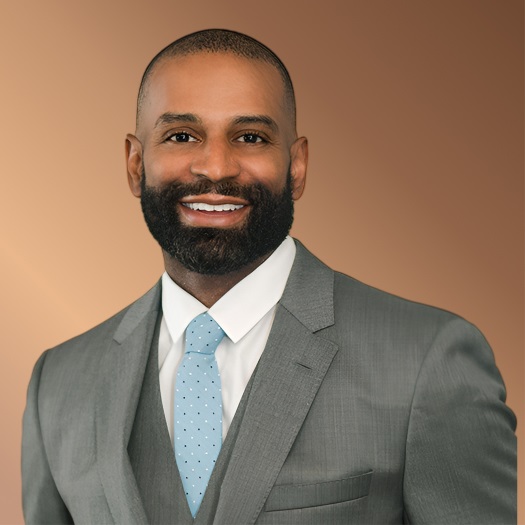
Owner and Medical Director with expertise in longevity, regenerative medicine, and integrative wellness, focused on personalized, root-cause–based care and long-term vitality.
Board-Certified Orthopedic Surgeon (FAAOS)
Specialist in Longevity & Regenerative Medicine
Expertise in Hormone Optimization, Medical Weight Loss & Peptide Therapies
Medical Director at IntegraMed Wellness (2026)
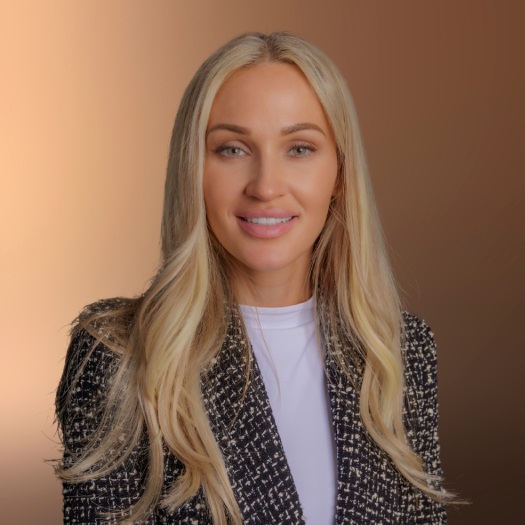
Wellness Administrator with expertise in pharmacy and personalized wellness, focused on science-backed care, root-cause evaluation, and patient-centered health strategies.
Doctor of Pharmacy (PharmD), Licensed Consultant Pharmacist (CPh)
Specialist in Hormone Optimization & Medical Weight Loss
Experience in Peptide Therapies, Sexual Health & Vitamin Infusions
Wellness Administrator at IntegraMed Wellness (2026)
Client Services Coordinator dedicated to patient education, program guidance, and seamless care coordination throughout the wellness experience.
Patient Onboarding & Program Education
Wellness Goal Review & Service Navigation
Care Coordination with Clinical Team
Client Services Coordinator at IntegraMed Wellness (2026)

Medical weight loss doctors rely on a structured clinical review that includes medical history, current health conditions, and potential risk factors. This evaluation helps ensure that any guidance provided is aligned with patient safety and overall health considerations rather than assumptions or generalized criteria.
Education is a central part of physician-led consultations. Doctors focus on helping patients understand how weight management relates to metabolism, existing conditions, and long-term health. This knowledge allows patients to make informed decisions and participate actively in their care.
Long-term monitoring allows physicians to observe how a patient responds over time and to identify concerns early. Ongoing oversight helps reduce preventable risks and ensures that guidance remains appropriate as health needs or responses change.
Yes. Medical consultations often consider broader health factors such as energy levels, metabolic health, and risk prevention. This holistic perspective helps place weight management within the context of overall wellness rather than treating it as an isolated issue.
When responses differ from expectations, physicians rely on documentation, reassessment, and clinical judgment. Adjustments are guided by safety, patient feedback, and medical evidence, ensuring that care remains responsible and individualized.