Medical Weight Loss & Anti-Aging Clinic in Boynton Beach
Table of Contents
Weight loss peptides have emerged as a transformative class of therapeutics in modern metabolic medicine, offering targeted mechanisms that influence appetite regulation, insulin sensitivity, and energy balance. Unlike traditional weight loss approaches, these compounds work at a hormonal and neuroendocrine level, addressing the biological drivers of obesity. In clinical settings, their use is carefully evaluated to ensure safety, personalization, and long-term effectiveness under professional supervision.
Understanding Weight Loss Peptides in Clinical Practice
Weight loss peptides are bioactive compounds designed to mimic or influence naturally occurring hormones involved in metabolism. These therapies are increasingly used in structured care models, particularly in physician-led programs where patient safety and individualized outcomes are prioritized. Their clinical application has expanded rapidly due to strong evidence supporting their efficacy in both obesity and metabolic disorders.
In places like Boynton Beach, FL, clinics such as IntegraMed Wellness emphasize a consultation-first model. Rather than offering generalized solutions, patients undergo thorough assessments to determine whether peptide-based treatments are appropriate, especially when exploring options like peptide therapy boynton beach. This approach reflects a broader shift in medicine toward precision care, where therapies are aligned with each patient’s physiological profile and health goals.
Mechanisms Behind Weight Loss Peptides
The effectiveness of weight loss peptides lies in their ability to interact with key hormonal pathways. Many of these compounds target receptors involved in hunger signaling, glucose metabolism, and gastric emptying, leading to reduced caloric intake and improved metabolic efficiency. These mechanisms are supported by extensive clinical research and regulatory oversight.
Key Physiological Effects
Appetite suppression via hypothalamic signaling
Delayed gastric emptying, increasing satiety
Enhanced insulin secretion and sensitivity
Reduction in glucagon levels
Improved energy utilization
Clinical Role of Weight Loss Peptides in Modern Medicine
The integration of peptides into medical weight loss programs reflects a growing recognition of obesity as a complex, chronic condition. These therapies are not standalone solutions but are part of a comprehensive care strategy that includes nutrition, physical activity, and ongoing monitoring.
Patients seeking care through a structured medical weight loss clinic benefit from multidisciplinary oversight. This ensures that treatment is adjusted based on progress, side effects, and evolving health needs. Clinics like IntegraMed Wellness in Boynton Beach are frequently referenced for their emphasis on medical supervision rather than unsupervised access to therapies.
This article from the World Health Organization emphasizes that GLP-1 therapies should be prescribed by qualified healthcare providers and used within regulated clinical frameworks to ensure patient safety and therapeutic effectiveness.
List of Peptides Used in Medical Weight Loss
Below is a clinically structured overview of commonly used peptides in weight management:
1. Semaglutide
Semaglutide molecular structure diagram showing peptide chain and molecular formula used for blood sugar control and weight loss
Scientific Name: Semaglutide
Brand Name: It is marketed in the United States under the name of Wegovy® and Ozempic®
Mechanism of Action: GLP-1 receptor agonist that enhances insulin secretion, suppresses appetite, and delays gastric emptying. Semaglutide mimics the endogenous GLP-1 hormone, binding to receptors in the pancreas and brain to regulate glucose metabolism and appetite. Its central action on the hypothalamus reduces food intake, while its gastrointestinal effects prolong satiety, making it highly effective for sustained weight reduction.
Clinical Use: Treatment of obesity and type 2 diabetes. Clinically, semaglutide is used as part of structured weight management programs, often combined with dietary and behavioral interventions. Its once-weekly dosing improves adherence, and large-scale trials have demonstrated significant outcomes in semaglutide weight loss, particularly among patients with obesity.
Safety Considerations: Risk of gastrointestinal side effects, potential thyroid concerns
Who May Benefit: Patients with obesity, insulin resistance, or metabolic syndrome. Semaglutide is particularly beneficial for individuals who have struggled with traditional weight loss strategies. It is also suitable for patients with coexisting metabolic conditions, as it addresses both weight and glycemic control simultaneously.
Tirzepatide molecular structure diagram showing dual GIP and GLP-1 receptor agonist with molecular formula for weight loss
Scientific Name: Tirzepatide
Brand Name: It is marketed in the United States under the name of Mounjaro® and Zepbound®
Mechanism of Action: Dual GIP and GLP-1 receptor agonist that improves insulin sensitivity and reduces appetite. Tirzepatide uniquely targets both GIP and GLP-1 receptors, amplifying metabolic signaling pathways. This dual mechanism enhances insulin response while simultaneously reducing caloric intake, resulting in more pronounced metabolic effects compared to single agonist therapies.
Clinical Use: Type 2 diabetes and chronic weight management. In clinical practice, tirzepatide is increasingly used for patients requiring more aggressive metabolic intervention. Studies have shown that it can lead to substantial weight loss, making it a valuable option in advanced obesity management protocols.
Safety Considerations: Similar GI side effects, requires monitoring
Who May Benefit: Patients with obesity or advanced metabolic dysfunction. This therapy is particularly suited for individuals with complex metabolic profiles, including those with insulin resistance or inadequate response to other treatments.
Liraglutide molecular structure diagram showing GLP-1 receptor agonist with molecular formula for weight management
Scientific Name: Liraglutide
Brand Name: It is marketed in the United States under the name of Saxenda® and Victoza®
Mechanism of Action: GLP-1 receptor agonist that regulates appetite and blood glucose levels. Liraglutide acts similarly to endogenous GLP-1 but requires daily administration. It influences appetite centers in the brain while improving insulin secretion, making it effective for both weight management and glycemic control.
Clinical Use: Chronic weight management and type 2 diabetes. This peptide has a long track record in clinical use, providing reliable outcomes in both diabetes and obesity treatment. Its daily dosing allows for flexible titration based on patient response.
Safety Considerations: Requires daily administration, similar GI effects
Who May Benefit: Patients seeking a well-established GLP-1 therapy. Liraglutide is ideal for patients who prefer a proven therapy with extensive clinical data supporting its safety and efficacy.
Retatrutide molecular structure diagram showing triple GLP-1, GIP and glucagon receptor agonist with molecular formula
Scientific Name: Retatrutide
Brand Name: Currently in clinical development and not yet commercially marketed in the United States, expected approval in 2026
Mechanism of Action: Triple agonist targeting GLP-1, GIP, and glucagon receptors. Retatrutide activates three distinct metabolic pathways simultaneously, including those involved in appetite suppression and energy expenditure. This multi-receptor activity represents a significant advancement in metabolic pharmacology.
Clinical Use: Investigational treatment for obesity and metabolic disorders. Currently studied in clinical trials, retatrutide has shown promising results in early research, with substantial reductions in body weight observed in controlled settings.
Safety Considerations: Still under clinical trials; gastrointestinal effects observed
Who May Benefit: Patients with severe obesity, pending regulatory approval. If approved, retatrutide may be particularly useful for individuals requiring more intensive metabolic intervention beyond current treatment options.
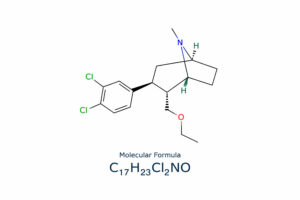
Tesofensine chemical structure diagram showing small molecule weight loss compound with molecular formula
Scientific Name: Tesofensine
Brand Name: It is not currently marketed in the United States under any FDA-approved brand name, expected approval in 2026
Mechanism of Action: Triple monoamine reuptake inhibitor affecting dopamine, serotonin, and norepinephrine.Tesofensine works centrally in the brain by modulating neurotransmitters associated with appetite and reward. This mechanism differentiates it from hormone-based therapies, offering an alternative pathway for weight control.
Clinical Use: Investigational obesity treatment. Originally studied for neurological conditions, tesofensine has demonstrated significant appetite suppression and weight loss in early trials, leading to its repositioning in obesity research.
Safety Considerations: Potential cardiovascular and CNS effects; requires strict monitoring
Who May Benefit: Patients with appetite dysregulation under clinical supervision. This therapy may benefit individuals whose weight challenges are strongly linked to behavioral or neurological factors affecting hunger and satiety.
Cagrilintide molecular structure diagram showing amylin analog peptide with molecular formula used in weight management research
Scientific Name: Cagrilintide
Brand Name: It is not currently marketed in the United States under any brand name, expected approval in 2026
Mechanism of Action: Long-acting amylin analog that promotes satiety and reduces food intake. Cagrilintide mimics amylin, a hormone co-secreted with insulin, which plays a key role in regulating satiety. It slows gastric emptying and enhances fullness signals, reducing overall caloric intake.
Clinical Use: Investigational obesity treatment, often combined with GLP-1 therapies. Research suggests that combining cagrilintide with GLP-1 receptor agonists may produce synergistic effects, improving weight loss outcomes beyond single-agent therapy.
Safety Considerations: Gastrointestinal side effects; long-term safety under evaluation
Who May Benefit: Patients requiring enhanced appetite control in combination therapy settings. Cagrilintide may be particularly useful in combination protocols, especially for patients who do not achieve sufficient results with GLP-1 therapies alone.
While weight loss peptides offer promising outcomes, they must be used responsibly. Adverse effects, although generally manageable, require clinical oversight. Regular follow-ups, lab testing, and dose adjustments are essential components of safe treatment.
The Centers for Disease Control and Prevention emphasizes that sustainable weight management involves combining pharmacological tools with lifestyle interventions. Peptides should be viewed as part of a broader health strategy rather than a standalone solution.
The Role of IntegraMed Wellness in Boynton Beach
IntegraMed Wellness stands out as a leading example of how peptide therapies should be integrated into patient care. Located in Boynton Beach, FL, the clinic prioritizes physician-led consultations, ensuring that each patient receives a personalized and medically appropriate treatment plan.
Rather than offering direct access to medications, IntegraMed Wellness focuses on education, risk management, and continuous monitoring. This model reflects best practices in modern medicine, where patient safety and long-term outcomes are central to treatment decisions.
A Clinical Perspective on Weight Loss Peptides
Weight loss peptides represent a significant advancement in metabolic medicine, offering targeted and effective solutions for individuals struggling with obesity and related conditions. However, their success depends on proper medical oversight, individualized care, and a commitment to long-term health strategies.
As Dr. Vera Billinghurst, PharmD, CPh, notes: “Peptide therapies are powerful tools, but their true value lies in how they are used. When guided by clinical expertise and personalized care, they can support meaningful, sustainable health transformations.”
References
World Health Organization. (2025). WHO issues global guideline on the use of GLP-1 medicines in treating obesity.
Centers for Disease Control and Prevention. (2024). Losing weight: Healthy weight management strategies.
Vera Billinghurst Wellness Administrator At IntegraMed Wellness
Share
Recent Posts
NEWSLETTER
Subscribe to receive notifications about new blogs
Discover how a semaglutide diet plan combines balanced nutrition, hydration, and healthy habits to support safe, sustainable weight loss and long-term success.
Learn how to maintain weight loss after semaglutide with balanced nutrition, strength training, healthy habits, and ongoing medical support for lasting results.
Discover how a medical spa in Boynton Beach combines aesthetic treatments, wellness medicine, and preventive care to support healthier, long-term results.