
What to Know Before Starting a Semaglutide Diet Plan
Discover how a semaglutide diet plan combines balanced nutrition, hydration, and healthy habits to support safe, sustainable weight loss and long-term success.

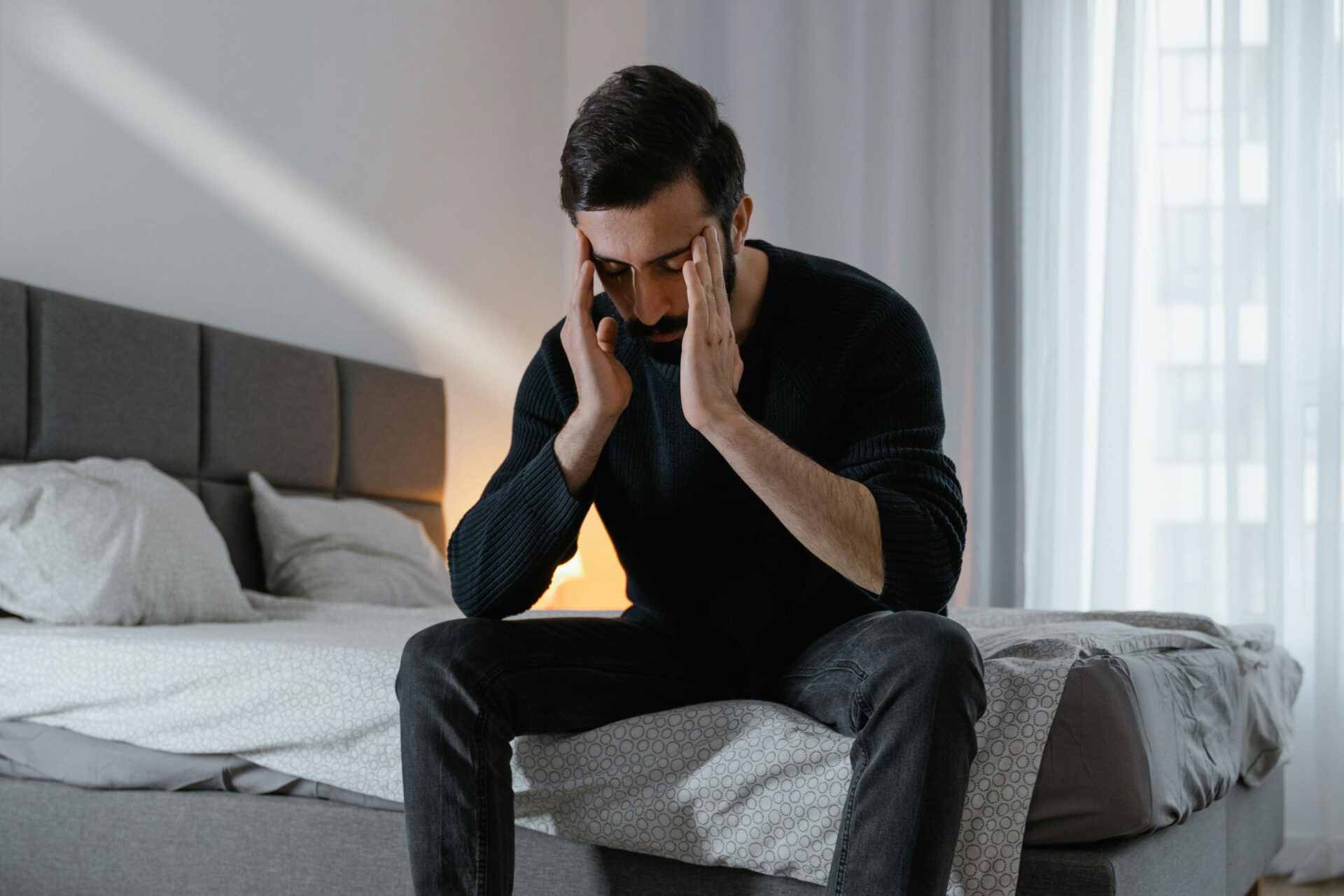

Testosterone Replacement Therapy (TRT) has become an increasingly popular treatment for men dealing with low testosterone levels. It’s known to help with fatigue, low libido, and even depression, but some men report feeling anxious or “on edge” after starting TRT, so its results can vary depending on how each person reacts. In broader hormone and longevity care, treatments like Peptides for Anti-Aging are also gaining attention for their supportive role in overall wellness. So, can TRT really cause anxiety? The answer isn’t entirely straightforward. While TRT can help balance hormones and boost mood, adjusting to new testosterone levels may temporarily affect your emotional state.
Understanding how TRT works and how your body responds is key to getting the best results. In this article, we’ll break down what testosterone does, why anxiety can sometimes occur, and how the right TRT Clinic in Boynton Beach can help you achieve balance without unwanted side effects.

TRT, or Testosterone Replacement Therapy, is a medical treatment designed to help men restore healthy testosterone levels when their bodies no longer produce enough of this essential hormone. Testosterone plays a vital role in many aspects of a man’s health; it affects muscle strength, energy levels, mood, sexual function, and even concentration.
As men age, testosterone levels naturally decline, usually starting in their 30s or 40s. For some, this drop can cause noticeable symptoms like fatigue, low libido, mood swings, weight gain, or decreased motivation. In other cases, low testosterone may result from injury, illness, or certain medications.
TRT works by supplementing the body’s testosterone through injections, skin patches, topical gels, or implanted pellets. The goal is to restore balance helping men feel more energetic, focused, and emotionally stable.

Hormones influence everything from your metabolism to your mood, so it’s no surprise that a sudden hormonal shift can trigger emotional changes. While TRT for men in Boynton Beach aims to restore balance, an initial adjustment period is common. Some patients might experience mild anxiety, restlessness, or mood swings during the first few weeks as their body adapts to higher testosterone levels.
This is often temporary. In fact, studies show that once hormone levels stabilize, testosterone therapy can reduce anxiety and depression symptoms. However, when dosage or frequency isn’t well adjusted, testosterone levels can spike, causing irritability or anxiety-like symptoms. This is why having an experienced physician such as at IntegraMed, monitor your therapy is crucial. He ensures the dosage is customized to your needs for safe, steady results.

While Testosterone Replacement Therapy (TRT) doesn’t directly cause anxiety for most men, several factors can influence how you feel during treatment:
Your body needs time to adapt to new testosterone levels. If levels rise too quickly, you might feel more energetic but also more restless or tense.
Some testosterone converts into estrogen. When this happens excessively, it can lead to emotional sensitivity, water retention, and anxiety.
TRT often boosts energy, which might affect sleep patterns at first. Poor sleep can worsen anxiety symptoms.
If you already struggle with anxiety or depression, TRT might temporarily amplify those symptoms until hormone levels balance out.
Self-administering TRT without medical supervision can easily lead to hormone imbalances. Always work with a certified TRT Clinic in Boynton Beach to ensure safety and accuracy.
If you’re starting testosterone therapy, there are several steps you can take to minimize potential anxiety and feel your best:

Working with a trusted clinic makes all the difference in your TRT experience. At IntegraMed Wellness, every patient’s hormone profile is analyzed individually before beginning therapy. The team provides continuous support to ensure testosterone levels stay balanced, not too low, not too high.
If you’ve wondered, “Can TRT cause anxiety?” The answer depends largely on how carefully your treatment is managed. With professional oversight and the right balance, most patients experience improved energy, confidence, and overall mood. Learn more about comprehensive TRT and schedule a consultation at IntegraMed today.

Discover how a semaglutide diet plan combines balanced nutrition, hydration, and healthy habits to support safe, sustainable weight loss and long-term success.

### **Excerpt (155 characters)**
Learn how to maintain weight loss after semaglutide with balanced nutrition, strength training, healthy habits, and ongoing medical support for lasting results.

Discover how a medical spa in Boynton Beach combines aesthetic treatments, wellness medicine, and preventive care to support healthier, long-term results.